
Springtime in Polk City brings blooming trees, trips out to Saylorville Lake, and plenty of sunny days. But ask any local homeowner, and they will tell you that spring also delivers some of the most intense weather of the year. When dark storm clouds sweep across Polk County, they bring severe thunderstorms, heavy hail, driving rain, and wind gusts capable of lifting shingles right off your roof deck.
Your roof takes the absolute brunt of these weather events. The tricky part is that storm damage does not always trigger an immediate, dramatic ceiling leak. Often, winter thaws and spring storms leave behind minor, hidden structural wounds that slowly weaken your home over time. Catching these warning signs early saves you from dealing with rotted roof framing, ruined attic insulation, and costly emergency repairs later in the summer.
Key Takeaways for Polk City Homeowners
- Spring storms in Central Iowa frequently cause hidden roof damage, ranging from granule loss to cracked flashing.
- Inspecting your yard, gutters, and ceiling space after severe weather helps identify leaks before water reaches your living area.
- Missing or dented shingles compromise your home weather barrier, leaving your wood decking exposed to driving rain.
- Ground-level visual checks are safe and effective, but professional inspections catch micro-fractures around vents and valleys.
- Prompt storm repairs preserve your property value and ensure smooth handling of homeowner insurance claims.
What Specific Signs Point to Roof Damage After a Spring Storm?
Spotting Exterior Wear on Shingles, Flashing, and Gutters
Once severe weather clears out of Polk City, taking a quick walk around your yard is the smartest first step you can take. You do not need to climb onto a slick roof to spot early signs of trouble. In fact, standing safely on the ground with a pair of binoculars gives you a great view of your roofline.
Look closely for subtle changes across your exterior materials. High winds search for loose edges along eaves and ridges, snapping brittle materials or tearing entire shingles away. Meanwhile, hail impact leaves distinct mark patterns that degrade your weatherproofing layer over time. Catching these early makes storm damage repair in Polk City faster and less costly.
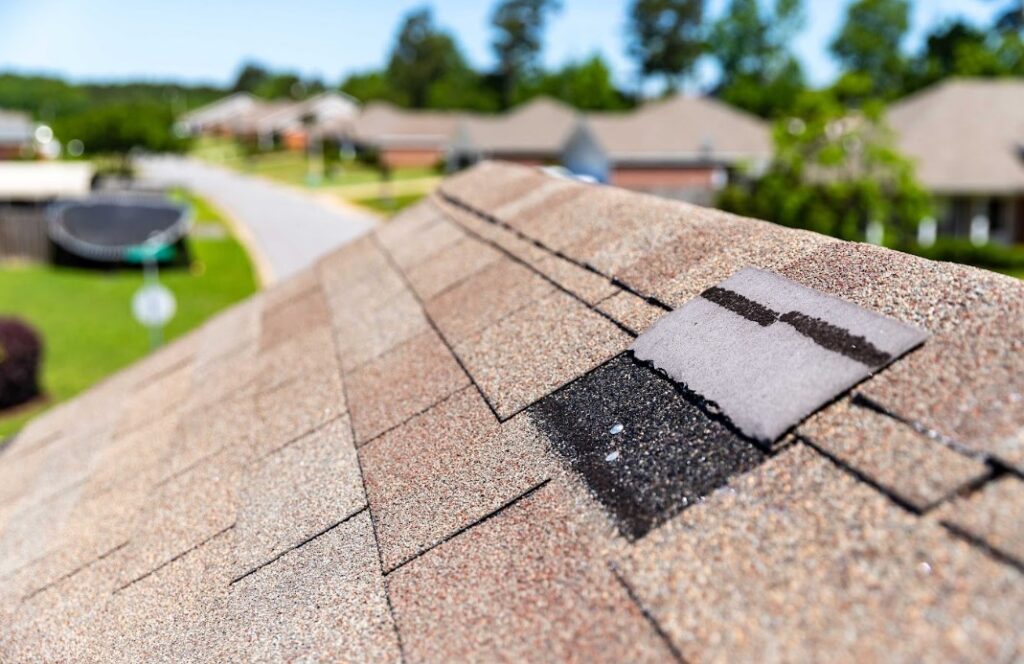
- Dented or bruised asphalt shingles: Hail strikes leave dark, soft spots on shingles where the protective mineral layer has been knocked away.
- Missing or lifted shingle tabs: Straight-line wind gusts lift shingle edges, breaking the factory adhesive seal beneath and leaving bare wood exposed.
- Granules piling up in downspouts: Finding heavy deposits of dark shingle granules at your downspout exits indicates that your shingles are losing their protective coating.
- Warped or cracked pipe boots: Rubber seals around vent pipes often crack under thermal stress and hail impact, creating direct paths for water intrusion.
- Dented gutters and fascia trim: Dents on metal gutters, downspouts, or window trim usually mean your roof took significant hail hits during the storm.
If you spot any of these issues across your roof deck, exploring comprehensive storm damage repair services helps restore your home barrier before the next rain rolls through.
How Does Hidden Roof Leak Damage Show Up Inside Your Home?
Checking Your Attic and Ceilings for Water Intrusion
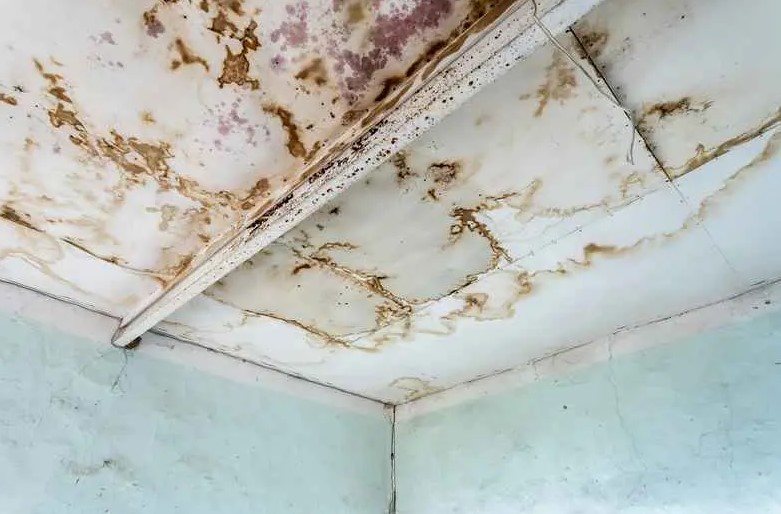
Water is relentless, and it always follows gravity. When rain gets past damaged shingles, it does not always drop straight down. Instead, it frequently runs along rafters, plywood seams, and electrical lines before dripping onto your ceiling drywall. That means the water stain on your bedroom ceiling could be coming from a damaged shingle twenty feet away.
Heading up into your attic with a flashlight on a bright afternoon is one of the best ways to catch leaks early. Look up at the underside of the wood roof deck for daylight peeking through roof seams or dark water streaks running down the rafters. Touch the insulation near your exterior walls to feel for damp spots.
In your living area, keep an eye out for yellow or light brown ceiling stains, bubbling wall paint, or unexplained musty odors in top-floor closets. According to consumer safety guidelines from the Federal Emergency Management Agency, unchecked moisture in residential structures can lead to mold growth within 24 to 48 hours. Addressing dampness quickly keeps your living space healthy and safe.
Why Is Weather-Related Wear So Common in Central Iowa?
Freeze-Thaw Stress and Extreme Wind Gusts
Homes in Polk City face an unusually tough climate cycle. During late winter and early spring, temperatures fluctuate above and below freezing almost daily. Moisture gets trapped under shingle edges, freezes, and expands, forcing shingles to lift.
When spring arrives, severe thunderstorms bring rapid temperature shifts and intense wind patterns. According to atmospheric monitoring data from the National Weather Service, storm systems moving through the Des Moines metro area routinely produce straight-line winds over 50 miles per hour and destructive hail.
This combination of freeze-thaw cracking followed by high-wind uplift creates the perfect storm for roof failure. Over time, even high-quality roofing systems experience wear that requires professional attention. Maintaining your roof deck protects your broader long-term investment in residential roofing systems.
What Should You Expect During a Professional Roof Inspection?
Complete Diagnostics, Drone Scans, and Clear Documentation
While a DIY ground inspection is a great start, it cannot replace an expert evaluation. Professional roofers know where to look for hidden leaks around chimney step flashing, ridge vents, and valley seams that the average eye might easily miss.
A thorough professional checkup involves inspecting your roof surface, checking gutter drainage angles, examining attic ventilation, and documenting structural integrity. Experienced technicians often utilize high-definition drone cameras alongside physical roof walks. This technology captures clear pictures of steep pitches and high gables without putting weight on fragile shingles.
If storm damage is found, your contractor provides a detailed report outlining necessary repairs. This clear documentation is essential when filing a claim with your insurance provider. You can read more about our team and local standards to see how local contractors support homeowners through every stage of property restoration.
Questions Polk City Homeowners Ask About Storm Damage
How soon after a spring storm should I have my roof inspected?
It is best to visually check your property immediately after conditions are safe. If you notice dented gutters, fallen tree limbs, or missing shingles, schedule a professional inspection within a week to stop water intrusion before seasonal downpours arrive.
Will insurance pay for my roof repair if the damage was caused by hail?
Most standard homeowner insurance policies cover roof repairs or full replacements if the damage stems from sudden, covered events like hail or severe windstorms. Having a professional document the storm impacts helps support your claim.
Can a minor roof leak wait until summer to get repaired?
Delaying a leak repair is risky. Even a tiny drip rots wooden roof decking, ruins attic insulation, damages drywall, and creates an environment for mold growth. Fixing minor issues right away is far less expensive than replacing rotted framing later.
How do I know if my roof needs a minor repair or a complete replacement?
If damage is isolated to a small area, such as a missing shingle patch or a cracked pipe boot, a quick repair is usually all you need. If your roof is over twenty years old and has widespread granule loss, sagging decking, or severe hail damage across multiple slopes, a replacement is often the more cost-effective choice.
Protect Your Home from Spring Storms: Partner with Titan Roofing and Exteriors
Your home is your safe haven, and keeping a solid, weather-tight roof over your family brings total peace of mind. Taking quick action after spring weather hits keeps your property strong, protects your interior framing, and prevents unexpected repair bills down the road.
When storm damage strikes, our veteran-owned team is here to bring discipline, transparent communication, and expert craftsmanship to your door. We take pride in helping our neighbors across Polk City navigate inspections, insurance claims, and quality repairs. And when a repair is not enough, we handle full replacements through our residential roofing in Polk City.
Do not let hidden spring storm damage compromise your home. Contact our team at Titan Roofing and Exteriors today to schedule your free, thorough roof inspection in Polk City, Des Moines, and surrounding communities.