When winter settles into Iowa, it doesn’t tiptoe in. It blasts across the state with icy winds, freezing rain, sudden drops in temperature, and those long stretches of snow that hang around well beyond their welcome. For homeowners in Des Moines and the surrounding areas, winter doesn’t just test your patience—it tests every inch of your home’s exterior. If you’ve ever felt a draft sneaking through a window frame or spotted a suspicious icicle forming where it shouldn’t, you already know the cold finds its way in through the smallest weaknesses.
Winterizing your home isn’t about perfection—it’s about preparation. With the right steps, you can protect your investment, reduce heating costs, prevent exterior damage, and stay comfortable even when the windchill dips below zero. This guide will walk you through what to focus on, what most homeowners overlook, and how to get your house ready for the cold months ahead.
Key takeaways
- Winterizing helps protect your home from cold air, moisture damage, ice buildup, and expensive repairs.
- Small fixes—like sealing gaps or clearing gutters—can make a huge difference in comfort and heating costs.
- Your siding, roof, gutters, trim, and windows all play a major role in keeping cold weather out.
- Annual exterior inspections can prevent damage before winter hits.
- Partnering with a trusted local contractor simplifies the winterizing process and ensures long-term protection.
Why winterizing your home’s exterior matters in Iowa
Iowa winters are unpredictable. One week might feel manageable; the next brings a mix of sleet, high winds, and heavy snowfall. Your home’s exterior takes the brunt of that punishment. Winterizing ensures the outer shell of your home stays strong, sealed, and capable of protecting everything inside it.
When you winterize effectively, you’re doing more than preventing drafts. You’re keeping moisture from seeping into siding. You’re stopping ice dams before they form. You’re preserving your roofing system, your gutters, your windows, and your energy bill.
Many homeowners don’t realize how much warmth slips out—until the heating bill arrives. Winterizing gives your home backup support when the weather turns harsh.
Inspecting your roof before the first freeze
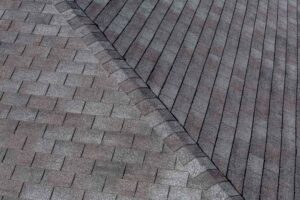
Your roof is the MVP of winter protection. It works nonstop to shield your home from snow, wind, rain, and ice. If you haven’t had a roof inspection yet this year, make it your first priority.
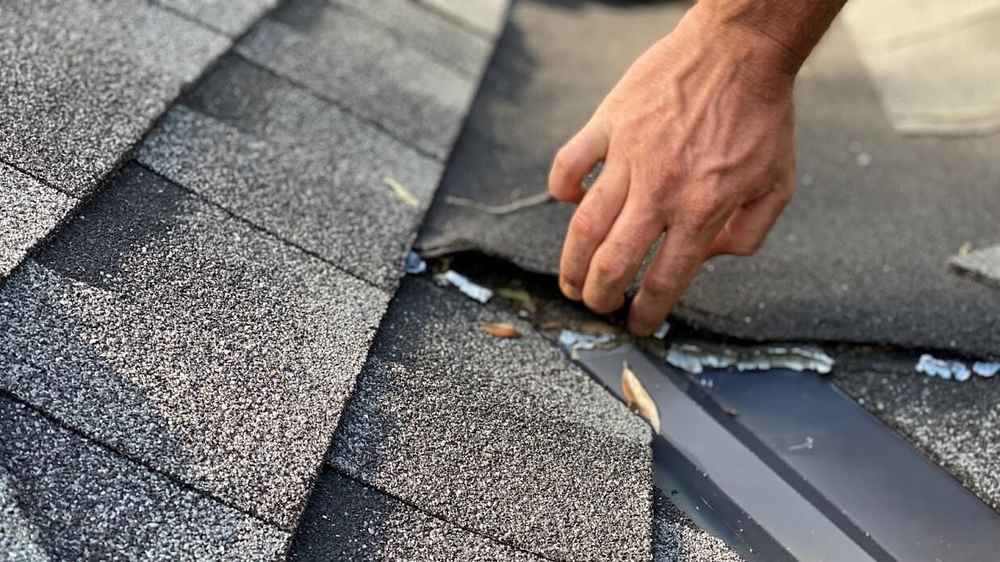
A thorough winter inspection checks for:
- Missing or loose shingles
- Worn or cracking flashing
- Weak points around chimneys and vents
- Possible leaks or soft spots
- Areas prone to ice dam formation
Small roofing issues turn into big issues once snow starts piling up. A minor leak today can become a steady drip inside your attic after the next freeze-thaw cycle. Winterizing your roof early helps your home stay warm, dry, and stable all season.
Keeping gutters and downspouts clear
Gutters don’t get the credit they deserve. They keep melting snow moving away from your roofline and foundation. When they’re clogged, water backs up, freezes, expands, and causes multiple problems—ice dams, siding damage, roof leaks, and soil erosion.
Before winter hits, make sure your gutters are completely ready. This means:
- Clearing out leaves
- Removing dirt and debris
- Checking for sagging sections
- Ensuring downspouts direct water away from your home
- Securing any loose brackets
Fast fixes now can prevent expensive repairs later—especially in Des Moines neighborhoods where trees drop heavy seasonal debris into gutters every year.
Strengthening your siding against snow and wind
Your siding works like an outer coat for your home. If it’s damaged, loose, or cracked, Iowa’s winter winds will find a way behind it. That leads to moisture intrusion, heat loss, drafts, and—if left untreated—bigger structural problems.
Inspect your siding for:
- Gaps between boards or panels
- Warping
- Cracks from age or weather exposure
- Loose sections caused by wind
- Areas where insects may have penetrated
If you see anything unusual, get it evaluated. Siding repairs are often simple, but during winter those problems escalate quickly. Strong, secure siding helps keep your insulation performing at its best and stops cold air before it gets inside.
Protecting your windows and exterior trim
Windows and trim are major culprits for heat loss. Cold air creeps in around frames, and moisture builds up where gaps develop. Before winter settles in, do a quick walk-around:
- Check for cracked caulking
- Look for peeling paint
- Test for drafts around window edges
- Make sure trim boards are sealed and in good condition
- Verify that all windows fully close and lock
Even a thin, unsealed crack can let in enough cold air to impact home comfort and energy efficiency.
Winterizing your home with simple weekend projects
Not every winterizing task requires a contractor. There are several things you can knock out on a weekend that will strengthen your home’s protection.
Here’s a list of easy but effective winter prep steps:
- Seal gaps around doors and windows
- Install weatherstripping
- Add insulation to attics and crawl spaces
- Disconnect and drain outdoor hoses
- Install faucet covers to prevent freezing
- Trim branches away from your roof
- Store or cover outdoor furniture
- Clean off decks and apply a sealant if needed
These small upgrades reduce winter damage and help keep your heating system from working overtime.
Don’t forget your home’s foundation and landscaping
Winter doesn’t only affect your roof and siding—it affects the ground around your home, too. When water freezes and expands near the foundation, it creates pressure. Over time, that can lead to cracks or shifting.
To protect the base of your home:
- Ensure the soil slopes away from your foundation
- Clear leaves and debris that trap moisture
- Seal foundation cracks before snow arrives
- Keep gutters directing water well away from the house
- Remove dead plants and trim shrubs to minimize moisture retention
When you maintain a clean, well-drained perimeter around your home, you reduce the risks that come with trapped moisture and freezing temperatures.
Winterizing your deck, porch, or patio
Wood and composite materials can suffer during Iowa winters. Snow sits on them for months, causing rot, surface wear, and long-term weakening. Before the first measurable snowfall, take these steps:
- Sweep off built-up debris
- Wash the surface to remove grime
- Apply a protective sealant if needed
- Inspect railings and steps for loose areas
- Move furniture to minimize weight stress
These steps help your outdoor living spaces survive winter and look great again when warm weather returns.
Straightforward answers to winter-prep questions
Homeowners often have the same winterizing concerns. Here are clear, helpful answers to some of the most common questions.
When should I start winterizing my home’s exterior?
Early fall is ideal, but it’s never too late. The goal is to address issues before severe cold hits, so start as soon as temperatures begin to drop.
How do I know if my roof needs work before winter?
If you see missing shingles, stains on ceilings, granules in gutters, or hear dripping after snow melts, it’s worth scheduling an inspection.
Is siding repair or replacement better for winter protection?
Repair works when damage is limited. If siding is old, cracked across large areas, or letting in drafts, replacement typically offers better long-term protection.
What parts of my home are most vulnerable during winter?
Your roofline, gutters, siding, windows, and trim take the biggest hit from freezing temperatures, ice dams, and snow accumulation.
Seal in the warmth with expert help from Titan Roofing and Exteriors
Winter doesn’t have to be a season of worry. Whether you need a pre-winter roof inspection, siding repairs, gutter maintenance, or a full exterior upgrade, having the right team by your side makes the process simple and stress-free. Titan Roofing and Exteriors in Des Moines, Iowa is here to help you protect your home, maximize comfort, and keep winter weather where it belongs—outside.
Reach out today to schedule your inspection or talk through your winterizing needs. Iowa winters are tough, but your home can be tougher.