Winter in Iowa has a way of piling on more than just stress. When snow stacks up on your roof, it can feel like a ticking clock—too much weight, ice creeping toward the gutters, and the quiet fear of leaks you won’t see until spring. The good news? Snow removal doesn’t have to turn into a DIY disaster or an expensive repair job if it’s done the right way.
This guide walks you through how to safely remove snow from your roof without damaging shingles, gutters, or your own spine—using practical advice that works in real Midwestern winters.
Key Takeaways Before You Grab a Shovel
- Too much roof snow can cause structural strain, ice dams, and hidden leaks
- Using the wrong tools can damage shingles and void warranties
- Most snow removal can be done safely from the ground
- Ice dams are a bigger threat than fresh powder
- Knowing when to call a professional can save thousands
Why Does Snow Buildup on Your Roof Become a Serious Problem?
Snow isn’t heavy—until it is
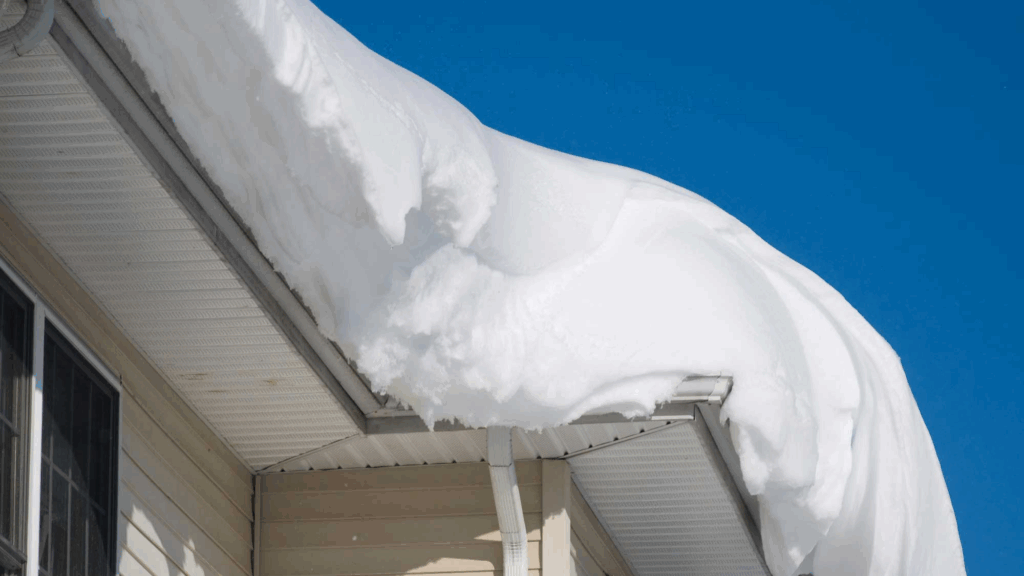
Fresh snow looks fluffy, but once it compacts, absorbs moisture, or freezes into layers, it becomes a serious load. Wet snow can weigh over 20 pounds per cubic foot, and your roof wasn’t designed to carry unlimited weight.
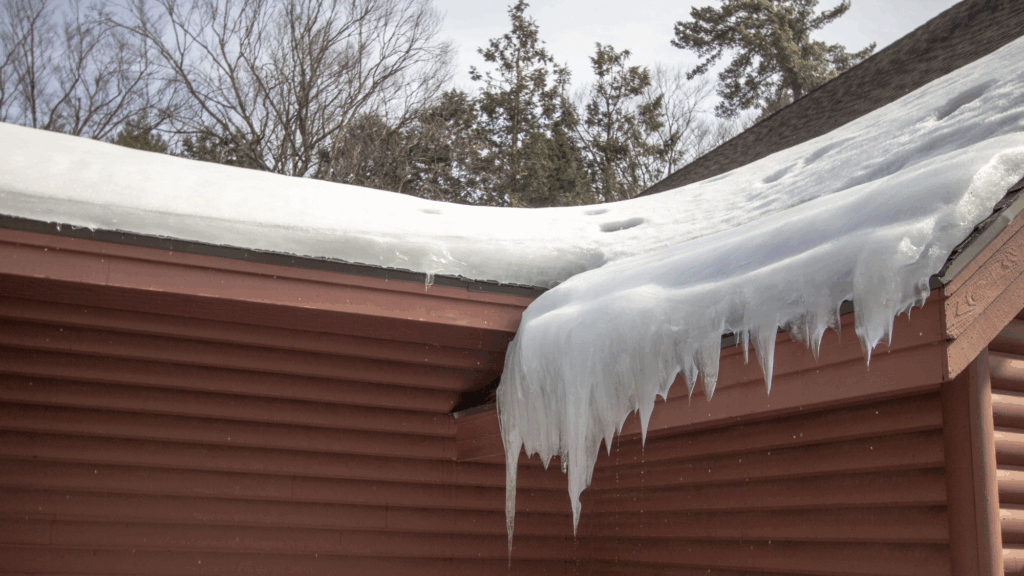
Beyond structural stress, snow creates the perfect conditions for ice dams. When heat escapes through your attic, snow melts near the roof peak and refreezes at the colder eaves. That ice traps water behind it, forcing moisture under shingles and into your home.
If you’ve ever noticed ceiling stains, peeling paint, or dripping gutters in winter, snow buildup is often the quiet culprit.
When Should You Remove Snow From Your Roof?
Timing matters more than inches
There’s no universal “magic number,” but most roofing professionals recommend action when snow accumulation reaches about 12 inches—or sooner if it’s wet, heavy snow.
You should also consider removal if:
- Temperatures are fluctuating above and below freezing
- Ice dams are forming along roof edges
- Doors or windows suddenly feel harder to open
- You hear creaking or popping from the roof structure
Waiting too long doesn’t just increase risk—it limits safe removal options.
What Tools Are Safe to Use for Roof Snow Removal?
The right tools protect both you and your roof
This is where most homeowners get into trouble. Metal shovels, ice choppers, and garden tools can tear shingles, dent flashing, and scrape away protective granules.
Safe options include:
- Roof rakes with plastic blades
- Telescoping handles to keep feet on the ground
- Foam or rubber-edged pushers designed for shingles
Avoid salt, calcium chloride pellets, or chemical ice melt on your roof. These products corrode metal, stain siding, and accelerate shingle breakdown.
How Can You Remove Snow Without Climbing Onto the Roof?
The ground is where you want to be
Climbing onto an icy roof is one of the most dangerous winter home maintenance tasks. Slips happen fast, and the consequences are severe.
A roof rake allows you to:
- Remove snow from 3–6 feet up the roof edge
- Prevent ice dam formation before it starts
- Protect gutters from ice buildup
- Stay safely on the ground
Work slowly, pulling snow downward in small sections. Don’t try to scrape down to bare shingles—leaving a thin snow layer actually protects the roof surface.
What Mistakes Cause the Most Roof Damage During Snow Removal?
Good intentions, bad results
Most roof damage in winter comes from well-meaning homeowners rushing the job.
Common mistakes include:
- Chipping ice instead of melting it gradually
- Pulling snow sideways, stressing shingles
- Standing directly below falling snow
- Removing snow unevenly, causing load imbalance
If you’re unsure whether a section is safe to clear, it’s better to stop than force it.
How Do Ice Dams Change the Snow Removal Game?
Ice is the real enemy
Snow alone doesn’t always cause leaks—ice dams do. Once ice forms, mechanical removal becomes risky.
Instead of breaking ice:
- Use calcium chloride-filled socks placed across the dam
- Improve attic insulation and ventilation
- Remove snow early to prevent refreezing
If water is already backing up under shingles, professional intervention is often the safest move.
When Is It Time to Call a Professional Instead?
Knowing your limits saves money and bones
There’s no shame in calling for help—especially when safety is on the line.
Consider professional roof snow removal if:
- Snow exceeds 18 inches
- Ice dams are already established
- Your roof has a steep pitch
- You notice interior leaks or sagging
Experienced crews use specialized tools, harnesses, and techniques that protect both the roof and the people working on it.
Cold-Weather Curiosities Homeowners Always Ask
Answers to the stuff everyone wonders but rarely asks out loud
Is it okay to leave some snow on the roof?
Yes. A thin layer is fine and often safer than scraping down to shingles.
Can snow removal damage my roof warranty?
Improper removal absolutely can. Using metal tools or aggressive scraping may void manufacturer warranties.
Does roof age matter when removing snow?
Older roofs are more vulnerable. Brittle shingles crack more easily in cold weather.
Can heated cables replace snow removal?
They help manage ice dams but don’t eliminate snow weight issues.
How Can You Prevent Roof Snow Problems Before Winter Hits?
Preparation beats panic every time
The best snow removal strategy starts long before the first snowfall.
Smart prevention includes:
- Sealing attic air leaks
- Upgrading insulation
- Ensuring proper roof ventilation
- Keeping gutters clean before winter
These steps reduce heat loss, slow ice dam formation, and make snow management far easier all season long.
Your Winter Roof Survival Plan
Snow on your roof doesn’t have to mean stress, damage, or dangerous DIY heroics. With the right tools, smart timing, and a healthy respect for winter conditions, most snow-related roof issues are preventable.
And when things get heavy—literally—that’s where expert help makes all the difference.
If you’re dealing with stubborn snow, ice dams, or winter roof concerns, reach out to Titan Roofing and Exteriors in Des Moines, Iowa. Our team understands Iowa winters, and we know how to protect your roof without causing unnecessary damage.
Winter’s tough. Your roof doesn’t have to face it alone.