
Summertime in Grimes, Iowa brings long sunny days, backyard barbecues, and trips to nearby parks. However, Central Iowa summers also pack a serious punch when it comes to weather. Between blazing July sun, sudden hail bombardments, severe humidity, and intense wind squalls, your roof deck endures a relentless beating for months on end.
Most homeowners do not give their roof a second thought until water drips through a ceiling light fixture during a midnight downpour. Taking a proactive approach before summer weather peaks saves you thousands of dollars, prevents unexpected structural rot, and extends the working lifespan of your asphalt shingles.
Following a simple seasonal maintenance checklist keeps your home secure, dry, and energy-efficient straight through the hot months.
Key Takeaways for Grimes Homeowners
- Summer weather in Central Iowa subjects roofing materials to severe thermal expansion, high ultraviolet rays, and sudden wind gusts.
- A visual summer inspection catches missing shingle tabs, dried-out vent seals, and gutter blockages before seasonal rain hits.
- Clearing debris from your roof plane and gutters prevents water backup, wood rot, and pest infestations.
- Maintaining balanced attic ventilation reduces cooling bills and prevents shingles from baking from the inside out.
- Partnering with a certified local contractor ensures safe inspections, accurate storm diagnostics, and long-term warranty protection.
Why Is Summer Roof Maintenance So Important in Central Iowa?
Fighting Ultraviolet Rays, Thermal Expansion, and Severe Storms
Your roof is the primary shield protecting your family and framing from the elements. During an Iowa summer, daily temperatures can swing dramatically. High humidity combined with direct sunlight pushes shingle surface temperatures well past 150 degrees Fahrenheit during peak afternoon hours.
This extreme thermal stress forces roofing materials to expand and contract constantly. Over time, that continuous movement loosens fasteners, cracks protective caulking, and breaks the adhesive seal holding shingle tabs down. According to weather data from the National Weather Service, Polk and Dallas counties also face severe thunderstorm threats featuring straight-line winds and damaging hail throughout late spring and summer.
Taking time for regular roof care stops minor summer wear from turning into major interior leaks. Catching loose flashing or cracked rubber seals early keeps your structure tight and protects your broader investment in residential roofing systems.
What Key Steps Belong on Your Summer Roof Maintenance Checklist?
A Practical Checklist for Every Grimes Homeowner
You do not need to climb onto a steep roof deck to keep tabs on your home exterior. In fact, performing a ground-level check with a bright pair of binoculars is the safest way to start your seasonal maintenance routine. If the check turns up hail bruising, schedule storm damage repair in Grimes before patching anything yourself.
- Examine shingle edges and planes: Walk around your yard and look up at the roofline. Check for shingles that appear curled, cracked, cupped, or completely missing after high wind events.
- Inspect pipe boots and penetration flashing: Rubber boots around plumbing vent pipes dry out, split, and crack under heavy UV exposure. Ensure metal flashing around chimneys, dormers, and skylights remains tight against wall surfaces.
- Clear leaves and organic debris from valleys: Tree branches drop leaves, twigs, and seed pods into roof valleys. Trapped debris retains moisture, holding water against shingle surfaces and encouraging moss growth.
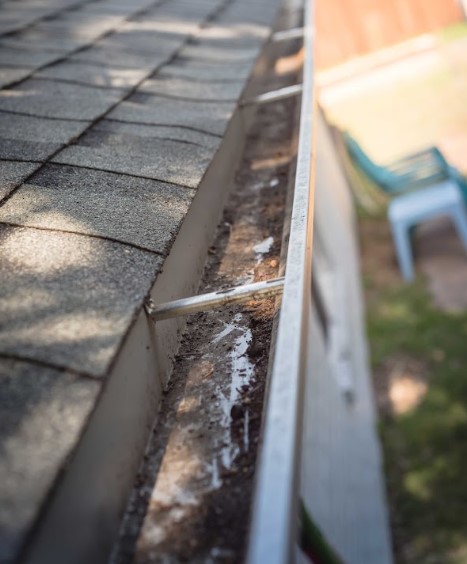
- Clean out gutters and downspouts: Remove dirt, leaves, and shingle granules from your gutter channels. Run water through downspouts to verify water flows freely away from your foundation.
- Trim overhanging tree branches: Prune back dead or low-hanging limbs sitting within six feet of your roofline. High summer wind gusts can drag branches across shingles, scraping off protective mineral coatings.
- Check attic ventilation and temperature: Head up into your attic space on a hot afternoon. If the space feels like an oven or smells damp, your roof intake and exhaust vents may be blocked.
Checking off these quick steps every summer keeps your roofline performing as designed. If you notice extensive hail bruising or missing shingle tabs across your roof deck, arranging professional storm damage repair services restores your weather barrier before severe downpours arrive.
How Does Attic Ventilation Impact Your Summer Roof Health?
Preventing Overheated Shingles and Lowering Cooling Expenses
Roof maintenance is not just about what happens on the outside of your house. What occurs directly beneath your roof deck inside your attic plays an equally vital role in how well your shingles survive summer heat waves.
When hot air gets trapped in an unventilated attic space, it radiates heat downward into your top-floor bedrooms. Your air conditioner has to run longer, heavier cycles to fight off that downward heat push, driving up monthly electric bills. Worse yet, extreme attic heat bakes asphalt shingles from underneath, causing petroleum compounds within the material to break down prematurely.
A balanced ventilation setup pairs continuous intake soffit vents along your eaves with exhaust ridge vents along the roof peak. This natural airflow pushes trapped heat and moisture out of the attic continuously. According to energy efficiency guidelines from the U.S. Department of Energy, managing attic thermal performance significantly cuts summer home cooling demands while preserving building materials.
Why Should You Schedule a Professional Summer Inspection?
Safety, Advanced Diagnostics, and Honest Local Guidance
While DIY ground checks are a fantastic starting point, they cannot replace a thorough physical assessment performed by trained professionals. Experienced roofing technicians know how to navigate steep roof slopes safely while spotting subtle signs of storm damage, micro-fractures in flashing, and hidden moisture leaks.
Local contractors bring specialized equipment to the job, including high-definition drone photography to scan hard-to-reach peaks and gables without disturbing fragile shingles. A professional checkup includes inspecting your roof deck, testing flashing seals, evaluating gutter slope angles, and checking attic ventilation ratios. Choosing a roofing contractor in Grimes who knows local weather patterns makes that checkup more useful.
If your roof shows signs of severe age, structural sagging, or widespread storm impact, your contractor provides a detailed report outlining your best options. Exploring comprehensive residential roofing options helps you evaluate repair versus replacement costs clearly so you can make informed choices for your home.
Common Questions Grimes Homeowners Ask About Summer Roof Care
How often should I inspect my roof during the summer months?
Doing a quick ground-level visual check twice during the summer is ideal: once in early June after spring severe storms pass, and once in late August before autumn leaf drops begin. You should also do a quick check after any major hail storm or high-wind squall.
What are the dark streaks on my shingles, and do they cause damage?
Dark streaks running down asphalt shingles are typically caused by blue-green algae growth. While algae growth is mostly a cosmetic concern, thick moss growth is different. Moss holds moisture directly against shingle surfaces, causing edges to lift and decay over time.
Can severe summer heat cause asphalt shingles to lose granules?
Yes. Extreme heat combined with intense solar ultraviolet rays dries out the asphalt layer in shingles, causing protective mineral granules to loosen. Finding heavy piles of dark granules in your gutters or downspout splash blocks indicates your shingles are aging and losing weatherproofing protection.
How quickly should I repair a damaged shingle after a wind storm?
Missing or lifted shingles should be repaired as quickly as possible. Leaving bare wood roof decking exposed to driving rain leads to water penetration, rotted framing, and ceiling drywall stains within days.
Protect Your Home All Summer Long: Partner with Titan Roofing and Exteriors
Taking care of your home should give you complete confidence, no matter what kind of weather rolls across Central Iowa. Following a simple summer maintenance checklist protects your framing, lowers your monthly cooling bills, and ensures your roof deck stands strong against unexpected storms.
When you need an honest evaluation, quick repair, or complete roof upgrade, our veteran-owned team is ready to serve. We bring discipline, clear communication, and superior craftsmanship to every home project we undertake across Grimes and the Des Moines metro area. You can learn more about our team and mission to see how local values guide everything we do.
Ready to get your roof ready for summer weather? Contact our team today at Titan Roofing and Exteriors to schedule your free, thorough property inspection in Grimes, Des Moines, and surrounding communities.