
Water has a sneaky way of finding every single weakness in a house. You might not notice a thing for months until a dark ring shows up on your living room ceiling during a midnight thunderstorm. For homeowners in Clive, Iowa, roof leaks are not just a nuisance. They are a direct threat to the framing, insulation, and electrical systems holding your home together.
Midwest weather puts local roofs through a relentless grind. We get heavy spring rains, sudden hail bombardments, hot summer sunlight, and winter thaws that turn tiny cracks into major water channels. Knowing how to spot early signs of water intrusion and understanding what happens during a professional repair puts you back in control of your home maintenance.
Key Takeaways for Clive Homeowners
- Small ceiling stains or peeling paint are often symptoms of leaks that started months ago inside your attic.
- Central Iowa freeze-thaw cycles and severe spring wind storms cause most local roof leaks near pipe boots, flashing, and valleys.
- A professional leak inspection involves ground-level checks, attic evaluations, and detailed roof walks or drone scans.
- Prompt roof repairs prevent structural wood rot, ruined insulation, mold growth, and expensive drywall restoration.
- Working with an experienced local contractor ensures repairs match your existing shingles and stand up to future weather extremes.
Why Do Roof Leaks Happen So Often in Clive, Iowa?
Understanding Central Iowa Weather and Structural Wear
Roofing materials are built to take a beating, but no roof is completely immune to time and severe Midwest weather. In Clive, homes face temperature swings that stretch from well below zero in January to over 90 degrees in July. According to climate data monitored by the National Weather Service, Central Iowa sees severe thunder, high wind gusts, and frequent freeze-thaw cycles every year. This constant shifting causes building materials to expand and contract, loosening fasteners and cracking seals. Severe storms speed that wear up, and much of our storm damage repair in Clive starts at exactly these loosened seals and fasteners.
Water always follows the path of least resistance. It usually enters your home through vulnerable transition points rather than right through the middle of a solid shingle. Rubber boots around vent pipes dry out and split after years of solar exposure. Metal flashing around chimneys and roof valleys can pull away from brickwork or warp during heavy ice formation. Once water sneaks past that top layer of shingles, it trickles down rafters and plywood decking until it finds a seam to drip through, often landing far away from the original entry point.
What Are the Early Warning Signs of a Hidden Roof Leak?
Spotting Water Trails Before Severe Damage Spreads
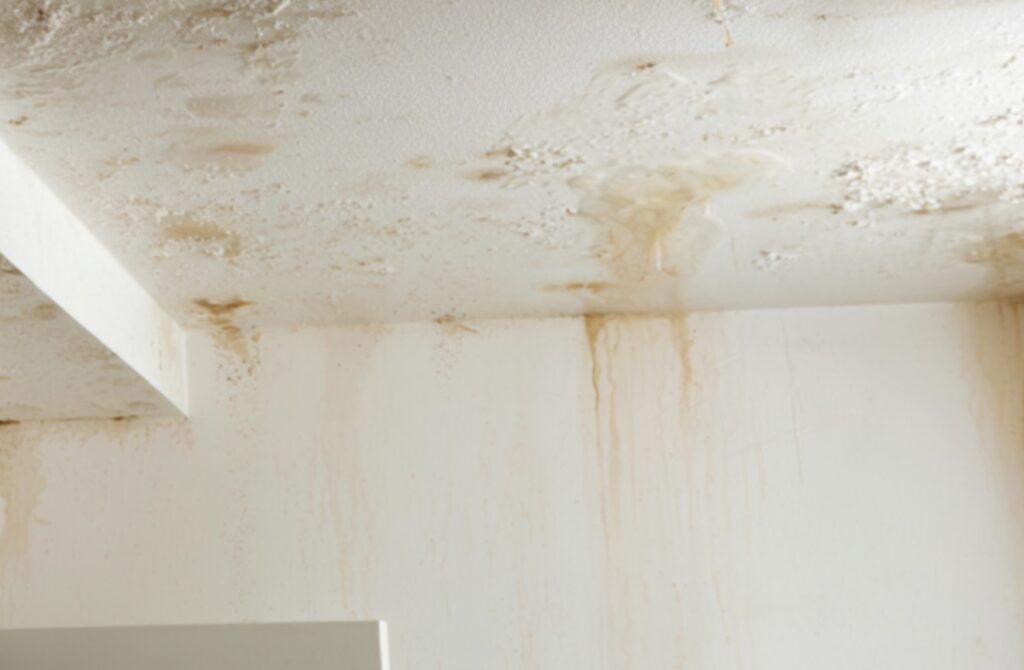
Waiting for water to drip onto your floor means the leak has already traveled through your roof deck, insulation, and ceiling drywall. Catching water intrusion early requires keeping an eye out for subtle changes around your living space and exterior walls.
- Discolored ceiling or wall stains: Light brown or yellow water rings on drywall are the classic sign of a roof leak overhead.
- Peeling paint or swelling trim: Excess moisture trapped behind interior paint causes wall paint to bubble, crack, or peel away near exterior walls.
- Musty attic odors: A damp, earthy smell in your attic or top-floor closets often points to wet insulation or early mold growth.
- Granule piles in gutters: Finding thick piles of dark mineral granules at your downspout exits means your shingles are wearing thin and losing their weatherproofing layer.
- Damp spots on attic rafters: Dark streaks or rusty nail tips on the underside of your plywood roof deck mean water is seeping through top seams.
- Damaged or lifted flashing: Bent metal strips along chimney lines or roof valleys leave exposed gaps for wind-driven rain.
If you notice any of these warning signs after a storm, addressing them quickly prevents secondary water damage. Getting a professional checkup protects your property investment and keeps your broader residential roofing systems performing as intended.
What Should You Expect During a Professional Roof Leak Inspection?
From Attic Checks to High-Definition Drone Scans
When you call an experienced contractor to investigate a leak, the process starts with careful diagnostic work. Finding the exact source of water penetration requires looking at how your entire roof assembly works together, from attic airflow down to gutter drainage.
A thorough inspection begins down in your attic. A inspector traces water marks along rafters and checks insulation levels to locate where water first passed through the wood deck. Next, the inspector moves outdoors to evaluate the roof surface. They examine shingle flexibility, check seals around flashing, inspect valley seams, and look for storm impact.
Contractors often use high-definition drone photography to capture close-up images of steep pitches or delicate roof areas without disturbing fragile shingles. According to consumer safety recommendations from the Federal Emergency Management Agency, documenting property damage with clear photos is essential when evaluating storm impact or preparing insurance documentation. Once the assessment is complete, you receive a clear breakdown of where the leak is, what caused it, and what it takes to fix it.
How Does a Professional Contractor Fix a Roof Leak Step by Step?
Practical Repairs That Seal Your Home Tight
Fixing a roof leak is not about slapping a bucket of tar over a wet shingle and calling it a day. A lasting repair requires removing damaged materials, inspecting the structure beneath, and rebuilding the protective layers correctly. When a leak turns out to be a sign of a worn-out roof, our residential roofing in Clive covers full replacements built to the same standard.
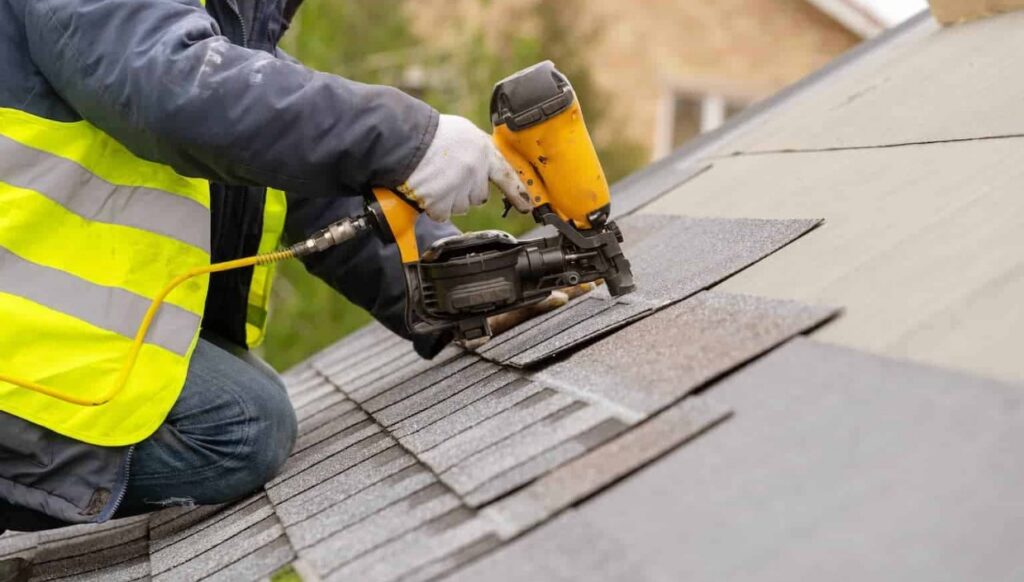
First, the crew carefully strips away damaged shingles around the leak site to expose the underlying decking. If water has rotted the wood beneath, those soft boards are cut out and replaced with fresh, solid plywood. Next, a self-adhering ice and water membrane goes down over the bare wood to create a watertight seal.
Fresh metal flashing is then integrated into the surrounding shingle layers to channel water away from joints. New architectural shingles are hand-nailed into place, matching the style and color profile of your existing roof. Finally, the area is sealed and inspected to ensure water glides smoothly off the surface during the next heavy downpour. If a recent thunderstorm caused widespread damage across your property, exploring comprehensive storm damage repair services helps restore your home to peak condition.
Got Leak Questions? Here Are the Real Answers for Clive Property Owners
How quickly can water damage spread inside your walls?
Water damage begins within 24 to 48 hours of entering your structure. Damp drywall loses structural strength, wood framing begins to swell, and mold spores can start colonizing wet insulation. Prompt repairs stop water migration before health hazards and heavy restoration costs take over.
Will homeowners insurance cover roof leak repairs in Iowa?
If the leak was caused by a sudden covered event, such as hail damage or high wind tearing away shingles, homeowners insurance typically covers the repairs. However, leaks caused by age, neglected maintenance, or long-term wear are generally not covered by standard policies.
Can you repair a leaking roof, or do you need a full replacement?
If the leak is isolated to a specific area like a cracked vent boot or a small patch of wind-blown shingles, a localized repair is usually all you need. If your roof is over twenty years old and showing widespread granule loss, sagging, or multiple leaks, a full replacement may be more cost-effective.
How long does a standard roof leak repair take to complete?
Most isolated roof leak repairs take between two and four hours to complete once the crew arrives on site. Complex repairs involving rotted roof decking, chimney flashing, or large shingle patches may take up to a full day of work.
Protect Your Home and Peace of Mind: Call Titan Roofing and Exteriors
A leaking roof creates unnecessary stress, but you do not have to tackle home maintenance hurdles alone. Taking fast action when you spot water damage protects your home framing, preserves your interior drywall, and keeps your family comfortable through every season.
Our veteran-owned team brings discipline, honest communication, and reliable craftsmanship to every project we undertake. Learn more about our team and mission to see how local experience shapes our work across Central Iowa.
Do not let a small drip turn into a major headache. Contact our team today at Titan Roofing and Exteriors to schedule your professional roof inspection in Clive, Des Moines, and surrounding communities.