Iowa winters have a way of reminding homeowners just how important a well-insulated home really is. When cold fronts sweep across Des Moines and temperatures dip into the single digits, your siding becomes more than an exterior design choice—it becomes the front line of defense against heat loss, moisture intrusion, and skyrocketing utility bills. If you’ve ever stood near a drafty wall or felt your furnace working overtime, your siding may be playing a bigger role than you think.
Before diving deeper, here are the biggest points you’ll want to take away as you think about winter-proofing your home.
Key takeaways
- Siding acts as a protective shell that keeps heat inside and cold Iowa winds out.
- Damaged or outdated siding can reduce insulation performance dramatically.
- Modern siding materials improve energy efficiency, indoor comfort, and long-term durability.
- Regular inspections help catch issues early, especially before extreme winter weather.
- Upgrading siding is one of the most effective ways to improve home warmth and reduce energy costs in Iowa’s coldest months.
Why your siding matters more than you think in winter
In Iowa, winter isn’t just a season—it’s a test. Homes in Des Moines, Ames, Ankeny, and the surrounding areas rely heavily on their exterior shells to combat bitter wind chills and fluctuating temperatures. Your siding is working 24/7 to:
- Slow heat loss
- Protect wall insulation
- Keep moisture out
- Reduce drafts
- Support your HVAC system’s efficiency
When siding is cracked, warped, loose, or simply aged past its prime, its ability to insulate your home drops fast. Even small gaps allow cold air to penetrate behind siding panels, chilling your home from the inside out. That’s when you start noticing cold spots, increasing heating bills, and a furnace that never seems to get a break.
How siding and insulation work together
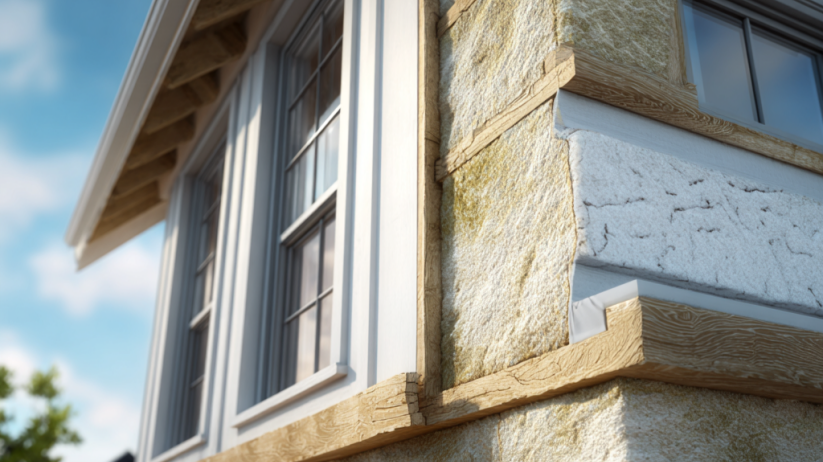
Think of siding and insulation as a tag-team. Insulation slows the movement of heat. Siding protects the insulation from everything the Iowa climate throws at it—ice, snow, moisture, wind, and extreme freeze-thaw cycles.
Here’s how a healthy siding system supports your insulation:
It blocks wind infiltration
Iowa’s winter winds feel like they come from every direction. Without tight-fitting siding, those gusts can seep into wall cavities and rob your insulation of its effectiveness.
It prevents moisture damage
Even the best insulation loses power when wet. Proper siding helps stop melting snow, ice buildup, condensation, and winter rain from making their way into your walls.
It supports stable indoor temperatures
Insulation works best when the environment around it remains consistent. Siding helps keep wall temperatures steady by shielding your home from freezing outdoor conditions.
When all these pieces work together, your home retains more heat, your energy bills stay manageable, and your comfort level goes way up.
Common siding issues Iowa homeowners face in winter
Winter exposes siding issues quickly, often before you even realize something is wrong. Here are the problems we see most often:
Warping or buckling
Rapid freeze-thaw cycles cause older siding to expand and contract. Over time, this leads to warping, bending, or bulging panels.
Cracking
Vinyl siding in particular can become brittle in extreme cold. Even light impact—like wind-blown debris—can cause cracks that let cold air inside.
Moisture penetration
When snow piles against your siding or ice dams form, the water can seep into vulnerable areas and soak your insulation.
Loose or missing panels
Heavy winds around Des Moines can tear siding panels free, exposing the underlying structure.
These issues don’t just affect curb appeal—they chip away at your home’s insulating power, leading to higher heating costs and colder rooms.
How upgraded siding boosts winter energy efficiency
If your home feels colder than it should or your furnace runs nonstop, upgraded siding may be one of the smartest improvements you can make.
Here’s how modern siding makes a difference:
Better insulation value
Insulated siding products add an additional thermal barrier, helping your home hold warmth during long Iowa cold spells.
Superior wind resistance
High-quality siding systems with tight interlocking panels reduce air infiltration dramatically.
Moisture control
Upgraded systems combine improved flashing, proper underlayment, and watertight design to keep snowmelt out.
Enhanced durability
Modern siding withstands harsh impact, extreme cold, and winter storms better than older materials.
When to consider repairing or replacing your siding
You don’t have to wait for a full replacement to improve your winter comfort. Sometimes a few targeted repairs restore performance. But when siding is too far gone, replacement becomes the long-term, cost-effective choice.
Here’s a quick breakdown to help you decide what your home needs:
You may only need repairs if:
- A few isolated panels are damaged
- Warping is limited to a small area
- There’s minor cracking or chipping
- Moisture concerns are recent and contained
Replacement may be necessary when:
- Your siding is 20+ years old
- Damage covers multiple sections
- Panels are repeatedly coming loose
- Insulation inside is damp or compromised
- Your heating bills rise every winter
- You feel drafts even with a tuned HVAC system
Choosing the right solution now saves you from much bigger (and more expensive) problems later—like mold growth, hidden leaks, or structural damage.
Signs your siding is harming your insulation (a quick checklist)
If you’re unsure whether your siding is part of the problem, here’s a simple list to help you spot red flags:
- Your indoor walls feel unusually cold
- Heating bills keep climbing
- You notice drafts around outlets or baseboards
- There’s visible warping, cracking, or loose siding
- Your furnace struggles to maintain temperature
- Ice dams form along your roofline
- You can hear wind whistling through exterior walls
- Paint inside your home is bubbling or peeling
If you’ve noticed any of these signs, it’s worth scheduling an inspection before the next cold front hits.
What homeowners can do to improve winter insulation right now
While siding replacement offers the biggest long-term return, there are practical steps you can take immediately:
Seal gaps and cracks
Walk the perimeter of your home and look for problem spots where air could enter.
Upgrade insulation in key areas
Bolstering attic and wall insulation supports your siding’s performance.
Clear snow and ice away
Prevent moisture from building up along the base of your siding.
Schedule a professional inspection
A trained eye sees problems long before a homeowner does—and early action saves money.
Consider insulated siding
If you’re thinking about replacement, insulated options significantly improve winter comfort and efficiency.
Straight-talk answers to homeowner questions
Because winter has a way of raising concerns, here are helpful answers to the questions we hear most often from Iowa homeowners.
How much does siding impact my energy bills in the winter?
A lot. Poor siding allows heat to escape and cold air to enter, forcing your furnace to work harder. Modern siding with insulation can reduce heat loss enough to noticeably lower monthly heating costs.
What type of siding is best for Iowa’s winter climate?
Fiber cement, insulated vinyl, and engineered wood siding all perform well in cold climates. The best choice depends on your home’s design, your long-term goals, and your budget.
How often should my siding be inspected?
At least once a year—preferably before winter. Annual inspections catch issues early and help prevent winter damage.
If only part of my siding is damaged, do I need a full replacement?
Not always. Repairs can solve isolated issues. However, if the damage is widespread or your siding is aging, replacement often provides better long-term savings and comfort.
What’s the biggest sign my siding is failing?
If your home feels colder even after tuning your HVAC system, your siding may be allowing drafts and moisture to reach your insulation.
Ready for real winter comfort? Titan Roofing and Exteriors can help
A warm home shouldn’t be a luxury during Iowa’s coldest months. If your siding is struggling to keep up with the winter weather—or you’re ready to upgrade to something stronger, more efficient, and built for Iowa’s climate—the right team can make all the difference.
Titan Roofing and Exteriors in Des Moines, Iowa is here to help you reclaim comfort, protect your home, and cut down on those rising heating bills. Reach out today to schedule an inspection or get expert guidance on siding repair or replacement.
Your warmer, more energy-efficient home starts with one call.