If you live in Ankeny, winter probably feels familiar in all the wrong ways. Heavy snow. Sharp temperature swings. Long cold snaps followed by just enough warmth to cause trouble. Ice dams thrive in exactly these conditions.
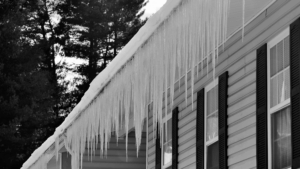
An ice dam forms when snow melts on the upper part of your roof, flows downward, and refreezes near the eaves. That frozen ridge traps water behind it. With nowhere else to go, water pushes up under shingles and into your home. By the time stains appear on ceilings or walls, damage is already underway.
Preventing ice dams isn’t about quick fixes or last-minute tools. It’s about understanding why they form and addressing the real causes before winter tightens its grip.
Key takeaways before we get started
- Ice dams are caused by heat loss, uneven roof temperatures, and poor drainage
- Quick fixes alone rarely solve the problem long-term
- Insulation, ventilation, and roof design work together to prevent ice buildup
- Proactive steps taken before winter save money and stress later
- Local roofing expertise matters in Iowa’s climate
What actually causes ice dams to form on Ankeny roofs?
Why heat loss is the real culprit behind ice dams
Contrary to popular belief, ice dams aren’t caused by snow alone. They form when heat escapes from your home into the attic, warming the roof surface. Snow melts in those warmer areas, then refreezes as it reaches colder edges.
That temperature difference is what creates the problem. The goal of ice dam prevention is simple: keep your roof surface cold and consistent from top to bottom.
Common sources of heat loss include:
- Inadequate attic insulation
- Air leaks around vents, lights, and attic access points
- Poor ventilation that traps warm air
How does attic insulation help prevent ice dams?
Why insulation keeps roof temperatures stable
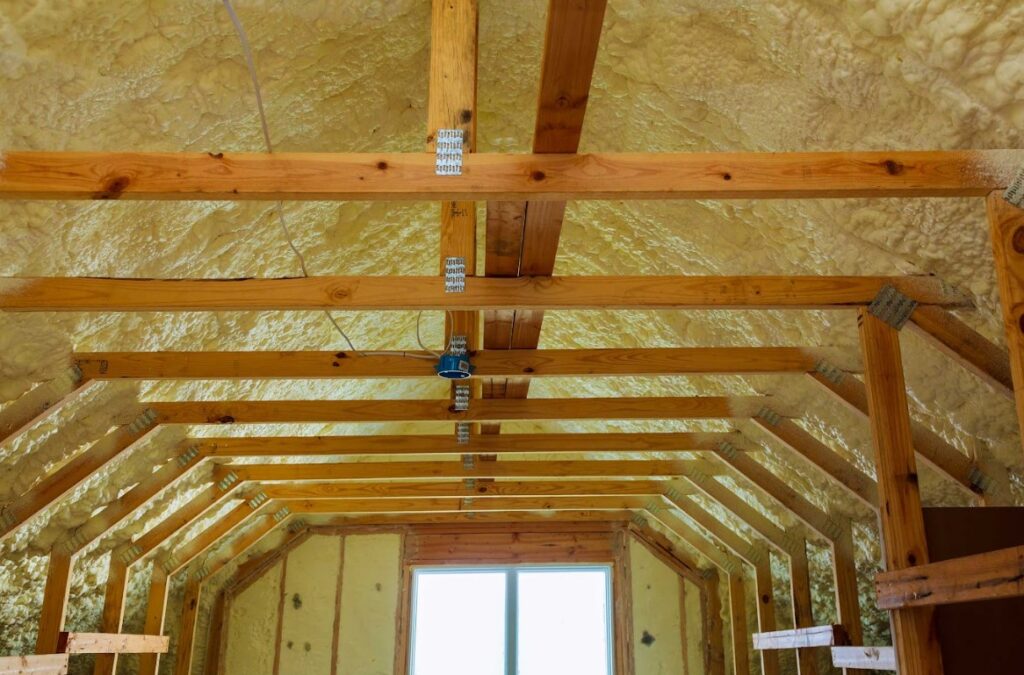
Insulation acts as a barrier between your living space and the attic. When it’s properly installed and evenly distributed, it keeps warm indoor air where it belongs—inside your home.
Without enough insulation, heat rises into the attic, warming the roof deck and triggering snowmelt. Over time, this cycle repeats and ice dams grow larger.
Proper insulation helps by:
- Reducing heat transfer into the attic
- Keeping roof surfaces uniformly cold
- Improving overall energy efficiency
Why is attic ventilation just as important as insulation?
How airflow prevents uneven melting and refreezing
Ventilation allows cold air to enter and warm air to exit the attic. When airflow is balanced, attic temperatures stay closer to outdoor temperatures, which prevents localized snowmelt.
In Ankeny homes, ventilation issues often come from blocked soffit vents, insufficient exhaust vents, or older roof designs that weren’t built with modern airflow standards in mind.
Effective ventilation:
- Reduces moisture buildup
- Extends roof lifespan
- Helps prevent ice dams and mold
Insulation and ventilation work best as a team. One without the other rarely solves the problem.
What role do gutters and roof edges play in ice dam prevention?
Why drainage matters during freeze–thaw cycles
Gutters clogged with leaves, debris, or ice prevent melting snow from draining away from your roof. When water backs up and refreezes, ice dams grow faster and spread wider.
Before winter, gutters should be cleared and checked for proper slope and attachment. Roof edges should also be inspected for damage that could allow water intrusion once ice forms.
Good drainage helps:
- Move meltwater away from roof edges
- Reduce refreezing at the eaves
- Protect fascia and soffits from damage

Can roof design and materials affect ice dam formation?
How slope and materials influence winter performance
Steeper roofs naturally shed snow more effectively than low-slope designs. While homeowners can’t always change roof pitch, understanding how design impacts ice dam risk helps guide prevention strategies.
Roofing materials also matter. Some materials hold heat longer, while others release it quickly. Proper underlayment, especially ice-and-water shield along the eaves, adds critical protection when ice dams do form.
What steps can homeowners take before winter to prevent ice dams?
How proactive preparation reduces winter roof damage
The best time to address ice dams is before snow falls. Waiting until ice is already forming limits your options and increases the chance of damage.
Smart pre-winter steps include:
- Scheduling a professional roof inspection
- Sealing attic air leaks around vents and fixtures
- Checking insulation depth and coverage
- Clearing gutters and downspouts
- Inspecting roof flashing and valleys
These steps don’t just prevent ice dams. They also improve comfort and reduce heating costs.
Are heat cables a good solution for ice dams?
When heat cables help and when they fall short
Heat cables can melt channels through ice, allowing water to escape. They’re useful in certain situations, especially as a short-term solution.
However, they don’t address the root cause of ice dams. Without insulation and ventilation improvements, heat cables can actually worsen melting and refreezing patterns.
They work best when used:
- Along problem roof edges
- In combination with long-term fixes
- Under professional guidance
What should homeowners avoid doing when ice dams appear?
Why quick fixes often cause more harm than good
Chipping ice with sharp tools can damage shingles. Pouring salt or chemicals on the roof can corrode materials. Aggressive snow removal can loosen shingles and flashing.
If ice dams are already present, the safest move is to contact a professional who can remove them without damaging your roof—and help prevent them from returning.
What do Ankeny homeowners usually ask about ice dams?
Straight answers to winter roofing questions
This is where homeowners tend to lean in, because ice dams are confusing and frustrating. Here are some of the most common questions.
Do ice dams mean my roof is failing?
Not necessarily. They usually point to insulation or ventilation issues rather than roofing material failure.
Can ice dams cause mold?
Yes. Water intrusion from ice dams can soak insulation and drywall, creating conditions for mold growth.
Will homeowners insurance cover ice dam damage?
Coverage varies. Sudden damage is often covered, but long-term issues may not be.
Can ice dams be prevented completely?
In many cases, yes. Addressing heat loss and airflow dramatically reduces the risk.
How does everything come together to protect your roof?
Why prevention is always better than winter repairs
Ice dams don’t appear overnight. They build slowly, fed by small issues that compound over time. When insulation, ventilation, drainage, and roofing materials work together, ice dams struggle to form at all.
For Ankeny homeowners, prevention means fewer emergency calls, fewer repairs, and far less stress during winter’s worst moments.
Ready to keep winter from taking a toll on your roof?
Who can help you stop ice dams before they start?
If ice dams have been a recurring issue—or you want to make sure they never become one—local expertise matters.
Titan Roofing and Exteriors works with homeowners across central Iowa to identify the real causes of ice dams and build long-term solutions that stand up to harsh winters.
Reach out today to schedule an inspection and take control of your roof before winter does.