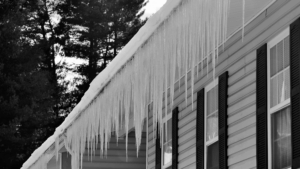
Iowa winters don’t play fair. One week it’s light snow and sunshine, the next it’s freezing rain, wind that cuts through everything, and temperatures that swing wildly overnight. Your roof takes the brunt of all of it. Choosing the right roofing material isn’t about looks alone—it’s about durability, protection, and long-term peace of mind.
If you’re building new, replacing an aging roof, or just wondering whether your current one is ready for another winter, this guide breaks down what really matters when selecting a roof that can handle Iowa’s toughest months.
Key Takeaways Before You Choose a Roofing Material
- Iowa’s freeze-thaw cycles are harder on roofs than heavy snow alone
- Some materials shed snow better, reducing ice dam risks
- Durability and installation quality matter more than brand names
- The wrong roofing choice can mean higher energy bills and frequent repairs
- Local expertise makes a measurable difference in long-term performance
What Makes Iowa’s Winter Weather So Hard on Roofs?
It’s not just cold—it’s unpredictable
Iowa roofs deal with a full menu of winter stressors: snow accumulation, ice dams, subzero temperatures, high winds, and sudden warm-ups that refreeze overnight. That constant expansion and contraction is what cracks shingles, loosens fasteners, and creates hidden leak paths.
Materials that thrive in mild climates often fail faster here simply because they can’t keep up with the temperature swings.
Why Does Roofing Material Matter More Than You Think?
Your roof is a system, not just a surface
A roof isn’t just what you see from the curb. The material you choose affects ventilation, insulation performance, moisture control, and even attic temperatures.
The right material:
- Helps snow slide off instead of piling up
- Reduces the likelihood of ice dams
- Stands up to wind-driven snow and ice
- Maintains flexibility in freezing temperatures
When the wrong material is installed, even a well-built home can struggle through winter.
Are Asphalt Shingles a Smart Choice for Iowa Winters?
Affordable, reliable, and widely used
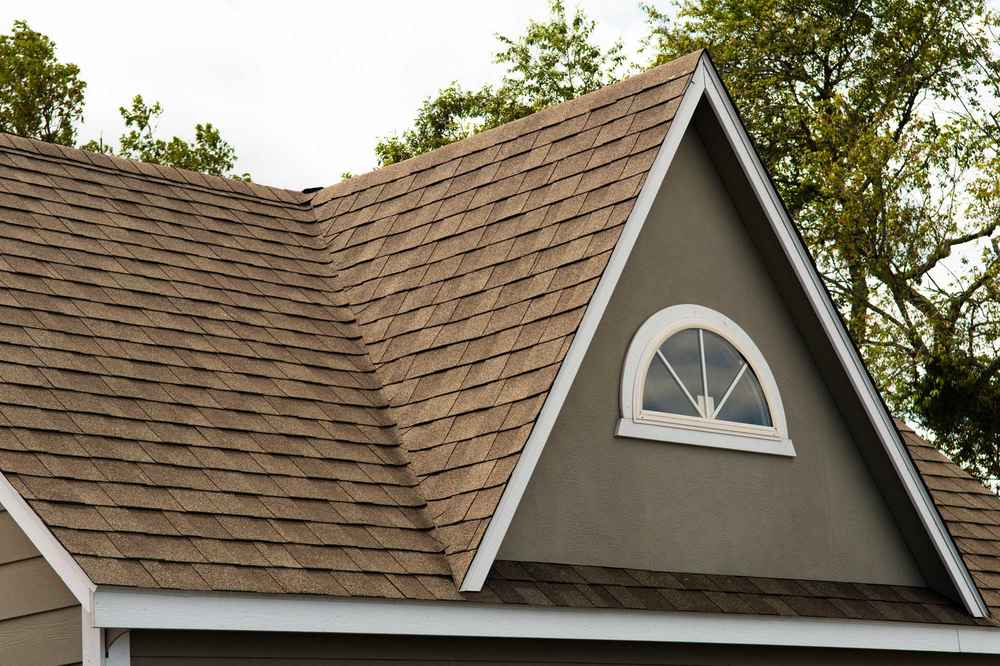
Asphalt shingles remain the most common roofing material in Iowa—and for good reason. Modern architectural shingles are designed to withstand freeze-thaw cycles, moderate hail, and strong winter winds when properly installed.
That said, not all asphalt shingles are created equal. Lower-grade options can become brittle in extreme cold, leading to cracking or granule loss.
High-quality asphalt shingles work best when paired with proper underlayment, ice and water shield, and ventilation.
How Does Metal Roofing Perform in Snow and Ice?
Snow slides off—but that’s both good and bad
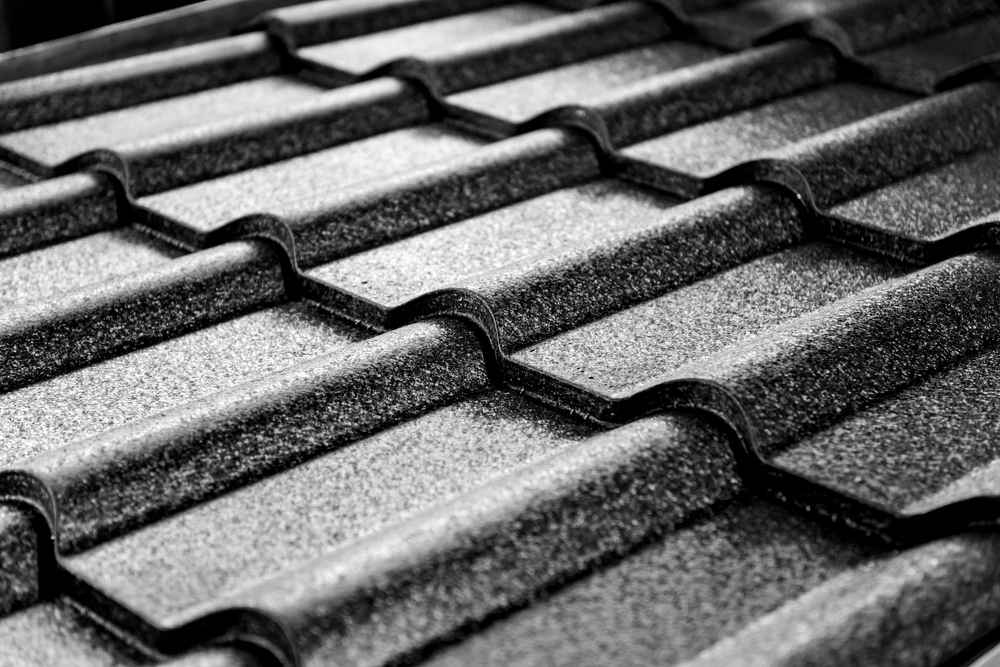
Metal roofing has gained popularity across Iowa thanks to its durability and snow-shedding ability. Snow and ice don’t cling to metal the way they do to textured surfaces, reducing the risk of ice dams.
Benefits include:
- Long lifespan
- Resistance to cracking in cold temperatures
- Minimal maintenance
However, snow guards are often necessary to prevent dangerous snow slides near walkways or entrances. Metal also tends to cost more upfront, though it often pays off over time.
Can Tile or Slate Roofing Survive Iowa Winters?
Strong, but not always practical
Tile and slate are incredibly durable materials, but they come with challenges in cold climates. While they can last decades, they’re heavy and brittle, making them more vulnerable during freeze-thaw cycles if moisture sneaks underneath.
In Iowa, these materials require:
- Reinforced roof structures
- Expert installation
- Excellent drainage systems
For most homeowners, the cost and complexity outweigh the benefits.
What Roofing Materials Should Iowa Homeowners Avoid?
Some options just aren’t built for this climate
Certain roofing styles may look appealing but struggle in Midwestern winters.
Materials to approach cautiously include:
- Thin three-tab shingles with low wind ratings
- Wood shakes, which absorb moisture and freeze
- Flat roofing systems without proper drainage
Choosing a material unsuited to winter weather often leads to higher repair costs and shorter roof life.
How Does Proper Installation Affect Winter Roof Performance?
Even the best material fails if it’s installed wrong
Installation matters as much as material choice—sometimes more. Ice and water shield placement, flashing details, fastener depth, and ventilation all determine how well a roof handles winter stress.
A well-installed mid-range material often outperforms a poorly installed premium one. That’s why local experience matters.
What Roofing Features Matter Most for Winter Protection?
It’s about the details you never see
Beyond shingles or panels, winter-ready roofs rely on supporting features.
Key components include:
- Ice and water barrier along eaves and valleys
- Proper attic insulation to reduce heat loss
- Balanced ventilation to prevent condensation
- Secure flashing around chimneys and vents
These elements work together to protect your home when temperatures drop.
What Questions Do Homeowners Always Ask About Winter Roofing?
The stuff everyone wonders once the snow starts falling
How long should a roof last in Iowa?
Most asphalt roofs last 20–30 years, while metal can last 40–70 years with proper care.
Does a darker roof help melt snow?
Darker colors absorb more heat, but insulation and ventilation matter far more.
Is a new roof more energy efficient in winter?
Yes. Modern materials and underlayment systems reduce heat loss and drafts.
Can I replace my roof in winter?
Yes, though scheduling and temperature limits can affect timing and materials used.
How Do You Choose the Best Roofing Material for Your Home?
There’s no one-size-fits-all answer
The best roofing material depends on your home’s design, budget, long-term plans, and how much maintenance you’re willing to handle.
Asking the right questions—about insulation, slope, and local weather patterns—leads to smarter decisions that pay off every winter.
Tying It All Together: Building a Roof That Iowa Winters Respect
Iowa winters are tough, but the right roofing material makes them manageable. When durability, installation quality, and climate-specific features work together, your roof becomes a shield—not a weak point.
If you’re unsure what roofing option makes the most sense for your home, Titan Roofing and Exteriors in Des Moines, Iowa is here to help. Our team understands local weather, building codes, and what it takes to install a roof that holds up year after year.
Because when winter shows up uninvited, your roof should already be ready.