Winter in Des Moines doesn’t mess around. Heavy snow, ice buildup, freeze–thaw cycles, and bitter wind all hit roofs hard—and they do it year after year. A roof that performs fine in milder climates can struggle here, leading to leaks, ice dams, premature wear, and costly repairs.
The right roofing system isn’t just about looks or resale value. It’s about protecting your home when temperatures swing wildly, snow piles up overnight, and ice refuses to melt for weeks. Homeowners across central Iowa often learn the hard way that not all roofs are built for these conditions.
This guide walks through the best roof options for harsh Iowa winters, explains why they work, and helps you make a confident decision that holds up season after season.
Key takeaways before we dive in
- Iowa winters demand roofing materials that handle snow load, ice, wind, and temperature swings
- Some popular roofing styles perform better than others in Des Moines’ climate
- Proper installation matters just as much as the material itself
- Ventilation, insulation, and ice protection all play major roles in winter performance
- Choosing the right local roofing contractor can extend your roof’s life significantly
What makes Iowa winters especially hard on residential roofs?
Why freeze–thaw cycles cause so much roof damage
One of the biggest challenges for Des Moines roofs is the constant freeze–thaw pattern. Snow melts during the day, refreezes at night, and works its way into tiny gaps. Over time, that expansion causes shingles to crack, fasteners to loosen, and underlayment to fail.
Unlike areas with steady cold or steady warmth, Iowa swings back and forth. Roofs that aren’t designed to flex and recover tend to break down faster.
How snow load and ice dams stress roofing systems
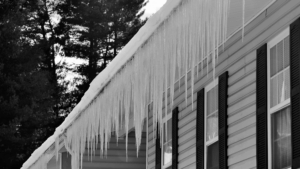
Snow doesn’t just sit there politely. Heavy accumulation adds weight, especially on flatter roof sections and valleys. When heat escapes from the attic, snow melts unevenly, refreezing at the edges and forming ice dams.
Ice dams block proper drainage, forcing water back up under shingles. That’s how leaks show up in ceilings, walls, and insulation—often without warning.
Which roofing materials perform best in Des Moines winters?
Why asphalt shingles remain a popular and reliable option
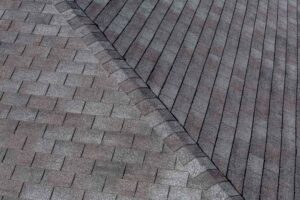
Asphalt shingles continue to be one of the most common roofing choices in Iowa—and for good reason. Modern architectural shingles are engineered to handle cold temperatures, resist wind uplift, and shed snow more effectively than older designs.
They’re also cost-effective, widely available, and easier to repair if damage does occur.
Benefits homeowners appreciate include:
- Strong performance in freezing temperatures
- Compatibility with ice-and-water shield systems
- Wide range of styles and colors
- Faster installation compared to heavier materials
The key is choosing high-quality shingles and pairing them with proper underlayment and ventilation.
Is metal roofing a smart choice for harsh Iowa winters?
How metal roofs shed snow and reduce ice buildup
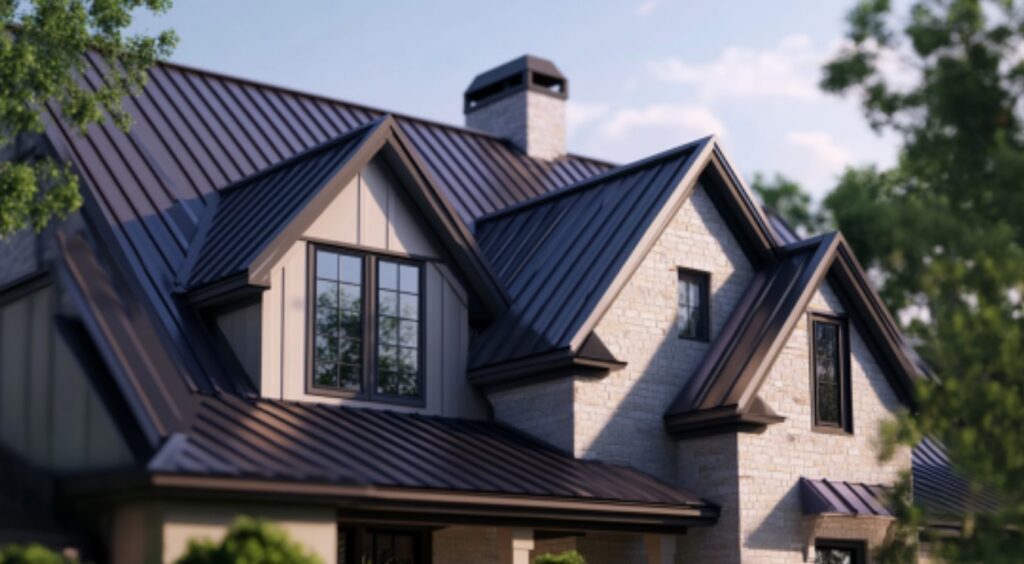
Metal roofing has gained serious traction in Des Moines, especially among homeowners focused on durability. One of metal’s biggest advantages is how easily snow slides off, reducing snow load and minimizing ice dam formation.
Metal also expands and contracts more evenly, which helps it handle temperature swings without cracking.
Additional winter-friendly advantages include:
- Excellent wind resistance
- Long lifespan with minimal maintenance
- Strong performance against ice and moisture
- Energy efficiency when properly installed
While the upfront cost is higher, many homeowners see long-term savings through reduced repairs and longer service life.
How does roofing slope affect winter performance?
Why steeper roofs handle snow better
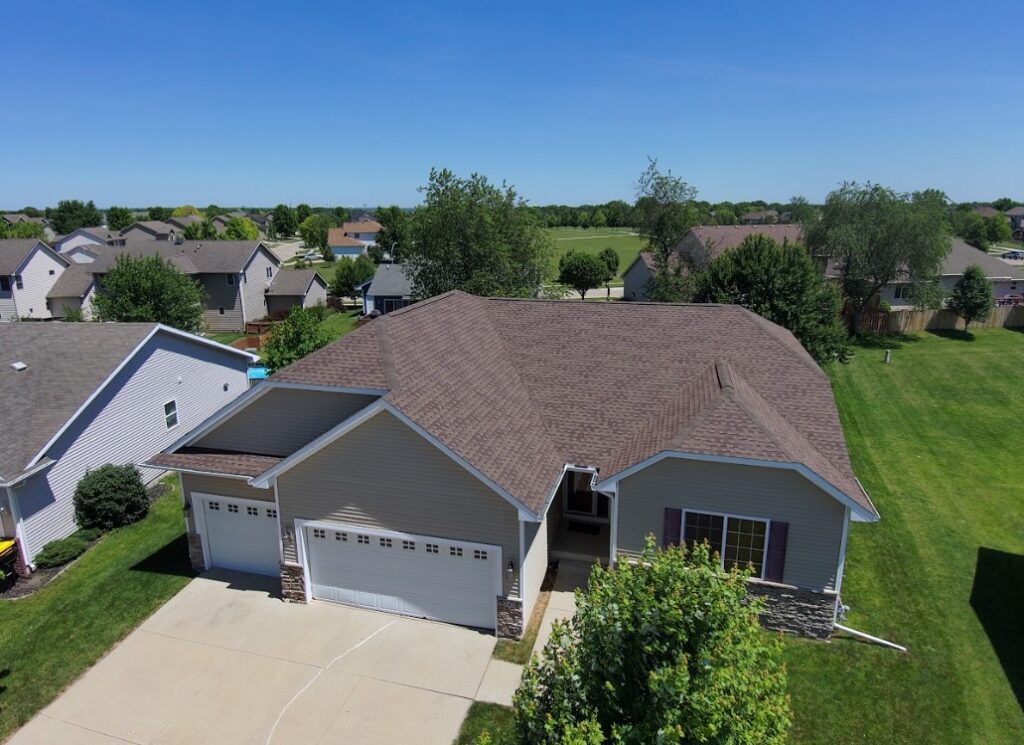
Roof pitch plays a bigger role than most homeowners realize. Steeper roofs allow snow and ice to shed naturally, reducing the risk of heavy buildup and standing water.
Lower-slope roofs tend to hold snow longer, which increases the chances of ice dams and leaks—especially when insulation or ventilation isn’t ideal.
If you’re building or replacing a roof, slope considerations should be part of the conversation, particularly in Iowa’s climate.
What role does roof ventilation play during winter?
How proper airflow prevents ice dams and moisture problems
A well-ventilated roof stays colder in winter, which sounds counterintuitive—but it’s exactly what you want. Cold roof surfaces prevent uneven snow melt, reducing ice dam formation.
Good ventilation also allows moisture to escape from the attic, preventing mold, rot, and insulation damage.
Effective winter ventilation depends on:
- Balanced intake and exhaust vents
- Proper attic insulation
- Clear airflow paths year-round
Roofing materials alone can’t solve winter problems if ventilation is neglected.
Why is underlayment just as important as shingles in Iowa?
How ice-and-water shield protects against winter leaks
Underlayment acts as your roof’s second line of defense. In Des Moines, ice-and-water shield is especially critical along eaves, valleys, and penetrations.
This self-adhering membrane seals around nails and fasteners, blocking water intrusion even when ice dams force moisture backward.
Skipping or minimizing underlayment is one of the most common reasons winter leaks occur—regardless of shingle quality.
Should homeowners consider impact-resistant roofing materials?
How impact-rated shingles handle hail and winter storms
Iowa weather doesn’t stop with snow. Hailstorms often arrive in late fall or early spring, when roofs are already stressed.
Impact-resistant shingles are designed to absorb hits without cracking, which helps prevent long-term damage that worsens during winter freeze cycles.
They can also:
- Reduce insurance claims
- Extend roof lifespan
- Provide better peace of mind during severe weather
For many Des Moines homeowners, impact resistance is worth the investment.
How can homeowners prepare their roofs before winter arrives?
What proactive steps reduce winter roof problems
Preparation matters. Small issues become big ones once snow and ice arrive.
Before winter, homeowners should:
- Schedule a professional roof inspection
- Clear debris from gutters and valleys
- Check attic insulation and ventilation
- Repair loose or damaged shingles
- Address flashing issues around chimneys and vents
These steps reduce emergency repairs and help roofs perform as intended during the coldest months.
What are the most common winter roofing mistakes homeowners make?
Why quick fixes and DIY solutions often fail
Temporary patch jobs, roof raking mistakes, and ignoring attic conditions often create bigger problems. Pulling ice aggressively can damage shingles. Adding heat cables without fixing insulation can worsen ice dams.
The most effective solutions address root causes—not just visible symptoms.
How do you choose the right roof for your Des Moines home?
What factors should guide your roofing decision
There’s no one-size-fits-all answer. The best roof depends on:
- Home design and roof slope
- Budget and long-term goals
- Neighborhood style considerations
- How long you plan to stay in the home
A local roofing expert can help match materials and systems to Iowa’s specific climate challenges.
What questions do homeowners usually ask about winter roofing in Iowa?
Curious minds, cold roofs, straight answers
Homeowners tend to ask practical, experience-driven questions when winter approaches. Here are some of the most common ones.
How long should a roof last in Iowa’s climate?
Most asphalt roofs last 20 to 30 years with proper installation and maintenance. Metal roofs often last 40 years or more.
Can a roof be replaced during winter?
Yes, with the right conditions and materials. Cold-weather installation requires experience and proper handling.
Are ice dams a sign of roof failure?
Not always, but they do indicate ventilation or insulation issues that should be addressed.
Will insurance cover winter roof damage?
Coverage depends on the cause and your policy. Sudden damage is more likely covered than long-term wear.
How does everything come together when protecting your home?
Why the right roof brings peace of mind all winter long
A roof built for Iowa winters doesn’t just survive the season—it works quietly in the background, shedding snow, resisting ice, and keeping your home dry and comfortable.
When materials, installation, ventilation, and maintenance align, winter becomes far less stressful for homeowners.
Ready to weather Iowa winters with confidence?
Who can help you choose and install the right roof in Des Moines?
If you’re planning a roof replacement, dealing with winter damage, or simply want expert guidance, working with a local professional makes all the difference.
Titan Roofing and Exteriors serves Des Moines homeowners with roofing solutions built specifically for Iowa’s harsh winters. From inspections and repairs to full replacements, their team understands what local roofs face—and how to build systems that last.
Reach out today to schedule a consultation and make sure your roof is ready for whatever winter throws your way.